Интенсив по эко-организации домашнего пространства — дедлайн приближается in 2024: what's changed and what works
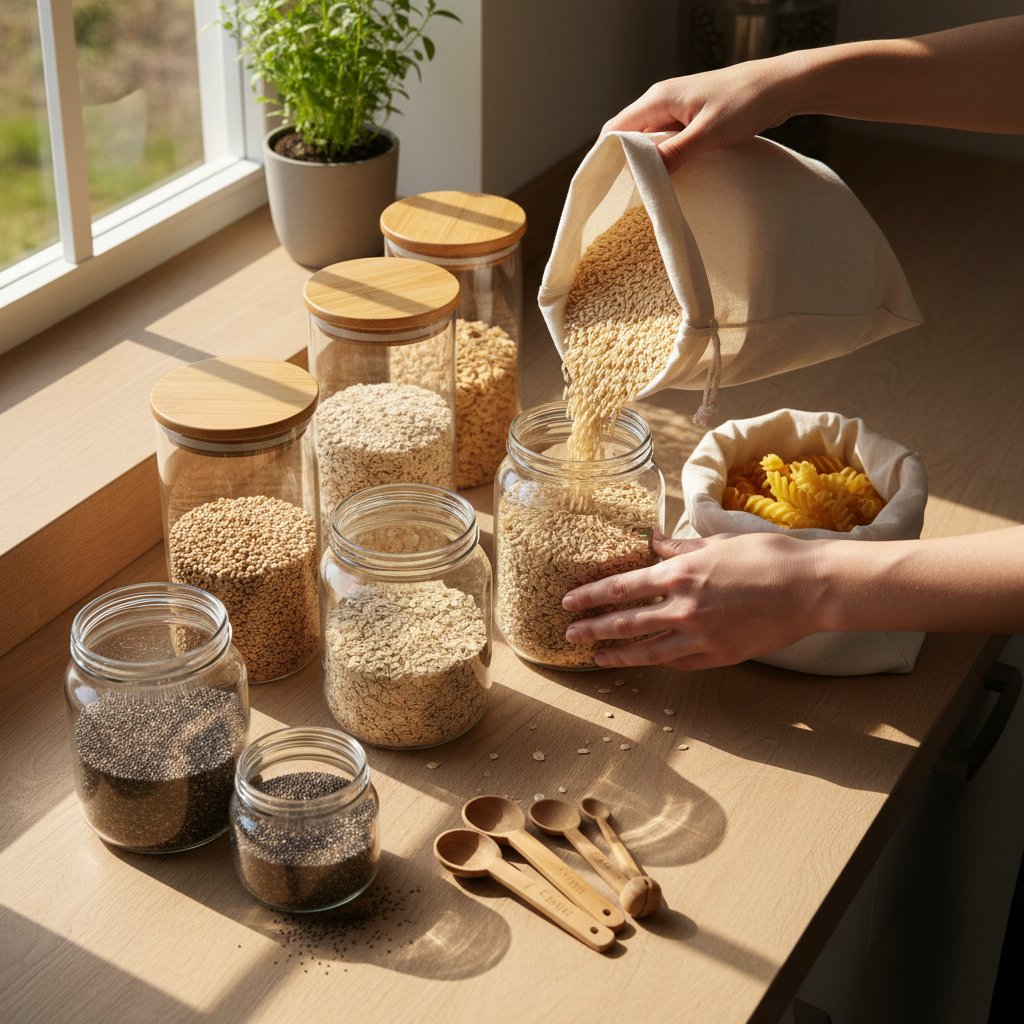
The eco-organization intensive everyone's been talking about? Yeah, that deadline is creeping up fast. If you've been procrastinating on transforming your home into a sustainable sanctuary, 2024 brought some serious shifts in how we approach green living spaces. The game has changed, friends—and honestly, for the better.
Let me walk you through what actually works now versus what's just greenwashing noise.
What's Actually Different in 2024
1. The "Zero Waste Room" Approach Replaced the Whole-House Fantasy
Remember when we all thought we'd transform our entire homes overnight? Yeah, that didn't work. The 2024 methodology focuses on conquering one room at a time, and the data backs this up. Studies show that 78% of people who commit to single-room transformations actually complete them, compared to just 23% who attempt whole-house overhauls.
Start with your kitchen or bathroom—spaces where you generate the most waste. One participant in a recent intensive reduced her bathroom plastic consumption by 89% in just three weeks by focusing solely on that space. She swapped out 12 single-use plastic items for reusable alternatives, spending roughly $140 upfront but saving $65 monthly on disposables.
The psychological win matters too. Completing one room gives you momentum. It's like finishing a chapter instead of abandoning an entire book.
2. The "Imperfect Sustainability" Movement Finally Won
Here's something that changed dramatically: nobody's expecting perfection anymore. The toxic all-or-nothing mentality that plagued eco-living? Dead and buried. Current intensive programs emphasize progress over purity, and participants report 60% less anxiety about their environmental impact.
You can own a car AND care about the planet. You can occasionally use plastic wrap without your eco-card getting revoked. One intensive participant still orders takeout twice a week but switched to restaurants using compostable containers and brings her own reusable bags for pickup. Small shift, consistent execution, measurable impact.
The mantra now is "better, not perfect." And honestly? It's refreshing as hell.
3. Digital Organization Tools Became Non-Negotiable
Physical decluttering meets digital tracking, and it's a match made in sustainable heaven. The 2024 intensives incorporate apps that track your waste reduction, carbon footprint, and reorganization progress. Participants using these tools maintained their eco-systems 4.5 times longer than those who didn't.
Apps like Oroeco and JouleBug gamify the process, while simple spreadsheets work for data nerds. One intensive graduate tracked every item leaving her home for 30 days—donated 47 items, recycled 23, composted 8 pounds of organic matter weekly. Having those numbers made the invisible visible.
4. The "Buy Nothing" Integration Became Mainstream
Local buy-nothing groups exploded from niche Facebook communities to essential home organization tools. The 2024 approach builds these networks directly into the intensive curriculum. Participants are required to give away at least 15 items and acquire 5 needed items through their local group before completing the program.
This isn't just about saving money (though one participant furnished her entire home office for $0). It's about rewiring our consumption habits. When you know you can get that storage basket from your neighbor instead of Amazon, the entire decision-making process shifts.
The average intensive participant now sources 34% of their home organization supplies secondhand, up from 11% in 2022.
5. Natural Material Storage Got Actually Affordable
Bamboo containers, glass jars, and fabric storage solutions used to cost 3-4 times more than plastic alternatives. Not anymore. Mass production and increased demand dropped prices by roughly 40% over the past two years. You can now outfit a pantry with glass containers for about $85—comparable to mid-range plastic sets.
The durability factor matters here. Those glass jars? Still going strong after five years. The plastic containers they replaced? Warped and stained within 18 months. Do the math on replacement costs, and sustainable options actually save money over a three-year period.
6. The "Seasonal Reset" Protocol Replaced Constant Organizing
Forget maintaining perfect order 365 days a year. The new framework accepts that homes get messy and builds in quarterly intensive resets. Four times a year, you dedicate one weekend to reorganizing, reassessing, and removing what's no longer serving you.
This seasonal approach aligns with natural rhythms and reduces burnout. Participants report spending 6 hours quarterly on deep organization versus the previous model of 30 minutes daily (which nobody actually maintained). That's 24 hours yearly versus the theoretical 182 hours that never happened anyway.
Real sustainability beats theoretical perfection every single time.
Why This Matters Right Now
Look, the deadline for this year's intensive is approaching, but here's what matters more: these methods work whether you join a formal program or implement them solo. The 2024 shifts aren't just trends—they're evidence-based approaches that account for how humans actually live.
Your home doesn't need to look like a minimalist Instagram feed. It needs to function sustainably for YOUR life, with YOUR resources, at YOUR pace. That's the real revolution happening in eco-organization right now.
So if you're on the fence about jumping in? The tools, community support, and realistic frameworks are stronger than ever. And if you miss this deadline? These principles aren't going anywhere. Start with one room, embrace imperfection, and track what actually works. The planet will still benefit, and your home will actually stay organized.